
Syntax-Definition: Von Technologieführerschaft zu Ökosystem-Gestaltung
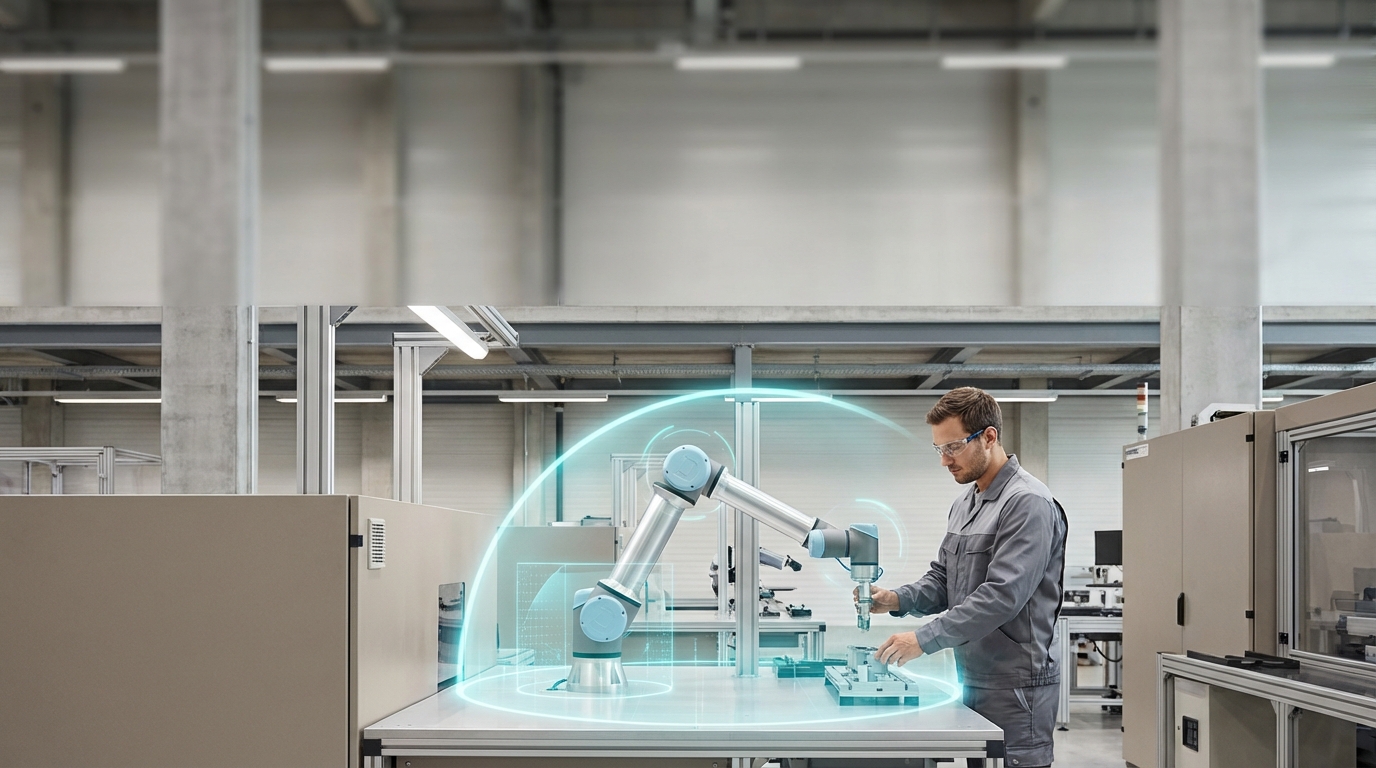
Ein finnisches Robotik-Software-Unternehmen stand vor einer awkward Marktrealität: Ihre Technologie ermöglichte Robotern das Verstehen menschlicher Intentionen, aber in den Kundenfabriken gab es keine "kooperationswürdigen" Roboter—traditionelle Industrieroboter waren hinter Zäunen eingesperrt, Mensch-Maschine-Strikttrennung. Technologie führte dem Markt, Pioniere wurden Märtyrer.
Das klassische Technologie-Dilemma: Ihr Produkt definiert die Zukunft, aber Kunden verharren in der Vergangenheit; Marktbildung ist kostspielig und risikobehaftet; Sie brauchen eine "Übergangsszene", wo Zukunftstechnologie sofortigen Wert schafft.
Unsere Investitionslogik erkannte den kritischen Punkt strukturellen Arbeitermangels in der Fertigung. Mensch-Roboter-Kollaboration wurde vom "Nice-to-have" zum "Must-have". Der Wert dieses Unternehmens liegt nicht in der Technologie selbst, sondern in der Definitionsmacht über die "Kollaborationssyntax"—wer die Syntax beherrscht, beherrscht das Ökosystem, wenn Kollaboration Industriestandard wird. Globaler Kollaborativroboter-Markt verdoppelt sich in fünf Jahren, Software und KI sind Kern der Differenzierung.
Wenn Ihre Innovation auch unter "Marktreifeverzögerung" leidet, können wir gemeinsam suchen: Wie findet Ihre Technologie in der gegenwärtigen Realität die "minimal viable scene", um First-Mover-Vorteile zu etablieren?